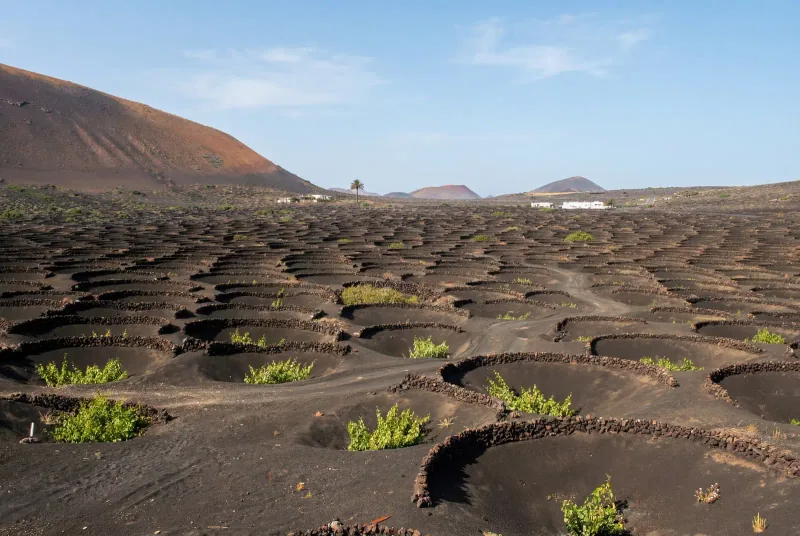
Viñedos de La Geria
Lanzarote
Nowhere else on the planet is vine cultivated like in La Geria. Here, each vine grows at the bottom of a conical hole dug into volcanic ash — the picón — and is protected by a semicircular dry stone wall called a zoco. This system, invented by Lanzarote farmers after the eruptions of the 18th century, takes advantage of the nighttime moisture that the picón absorbs and retains, allowing the Malvasia grape to thrive in a seemingly inhospitable landscape.
A Landscape Declared Cultural Heritage
La Geria stretches across the center of Lanzarote, between the municipalities of Yaiza, Tías, and Tinajo. Thousands of holes with their stone zocos draw a geometric landscape over the black lava that has been recognized as one of the most unique agricultural landscapes in the world. Traveling the LZ-30 road that crosses the area is an extraordinary visual experience: the contrast between the black of the picón, the intense green of the vines, and the blue sky creates a composition that seems designed by an artist.
Wineries with History
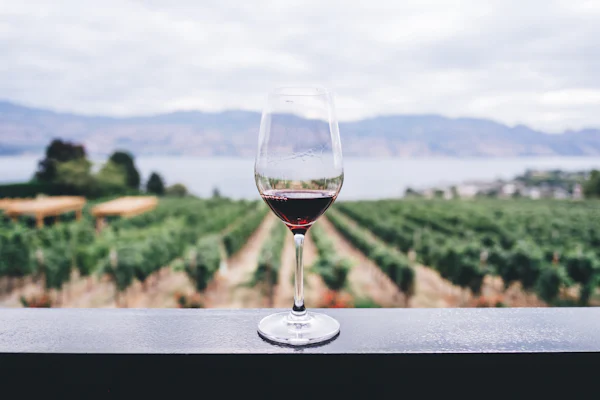
The wine route of La Geria includes more than a dozen wineries open to the public. Bodega El Grifo, founded in 1775, is the oldest in the Canary Islands and houses a wine museum with centuries-old presses. Bodega Stratvs focuses on innovation with signature wines that have won international awards. Family wineries like Rubicón, La Geria, and Vega de Yuco offer tastings in a friendly atmosphere where the winemaker himself explains each glass.
The star grape is the volcanic Malvasia, an aromatic white variety that produces dry, semi-sweet, and sweet wines with an unmistakable personality. The minerals of the volcanic soil provide saline and smoky notes that make these wines truly unique. In recent years, red varieties like Listán Negro and Syrah have started to yield surprising results.
Most wineries offer tastings from €5-10 with local snacks. Bodega El Grifo and Bodega Stratvs are the most comprehensive for a first visit. If you go in August, you'll coincide with the harvest, which is done by hand and at dawn to avoid the heat. Some wineries allow participation.
Where the lava destroyed everything, humans found a way to grow wine. La Geria is not just viticulture: it is a monument to the tenacity and creativity of the people of Lanzarote.
Ending the route with lunch at one of the local restaurants — some papas arrugadas with mojo, grilled cheese, and a glass of Malvasia in front of the vineyards — is the perfect way to close a morning in La Geria. Because here, the landscape is not only seen: it is tasted.
LIVVO Tip: Plan a road trip to visit several wineries.
More to see in Lanzarote
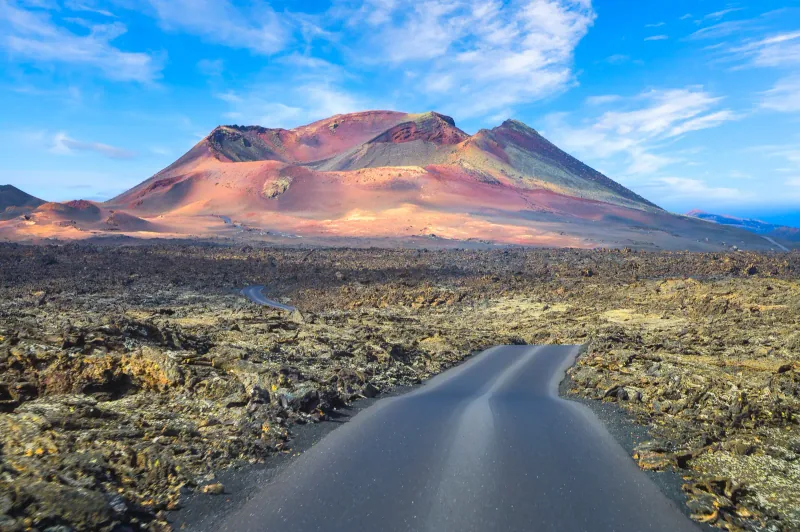
Timanfaya National Park
Over 50 km² of volcanic landscape shaped by the 1730–1736 eruptions. The Ruta de Los Volcanes winds through a sea of solidified lava with smoking craters where underground temperatures exceed 600°C. The geothermal demonstrations at Islote de Hilario are a must.
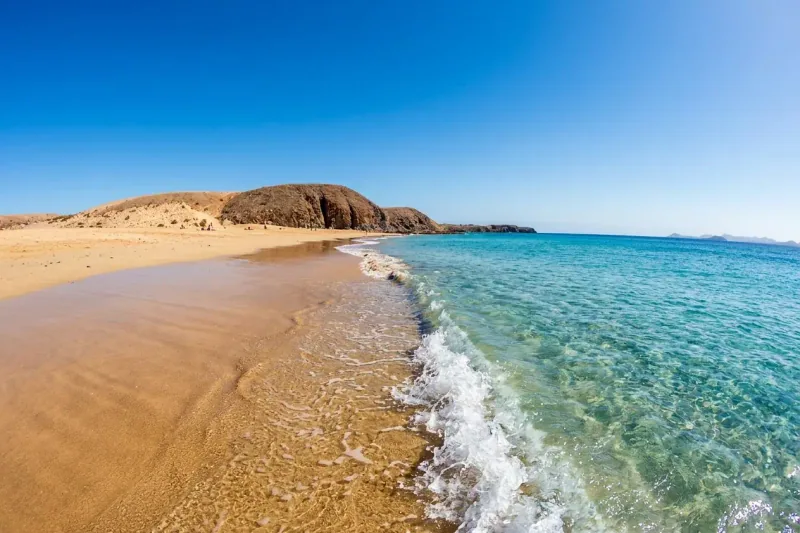
Papagayo Beaches
A cluster of pristine golden-sand coves with crystal-clear water in the south of the island, protected within the Monumento Natural de Los Ajaches. Playa Mujeres, Playa de la Cera and Playa de Papagayo are the best known. Calm waters ideal for snorkelling.
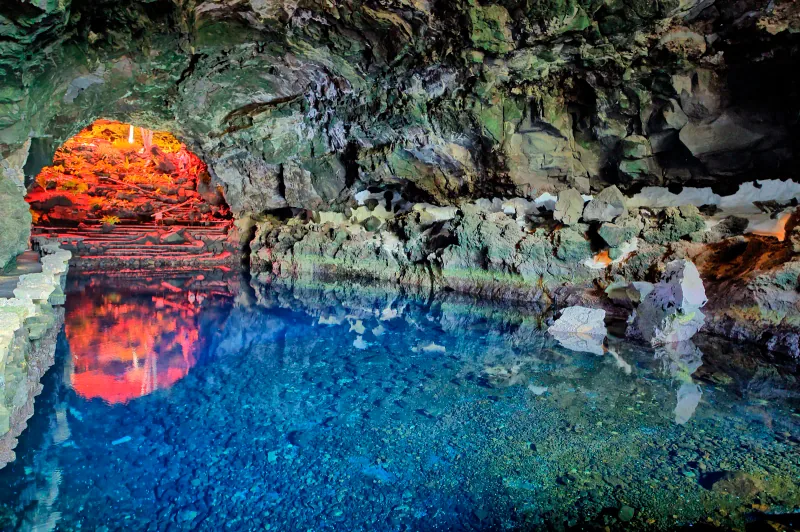
Jameos del Agua
A unique space created by César Manrique inside a volcanic tunnel, where art and nature merge in a breathtaking setting. Highlights include its interior lake, the natural auditorium and the blind crab, an endemic species.

Surfing in Famara
With over 6 km of sand and consistent waves for much of the year, suitable for both beginners and advanced surfers. The dramatic backdrop of the Risco de Famara and the laid-back village nearby make it one of the most authentic spots on the island.