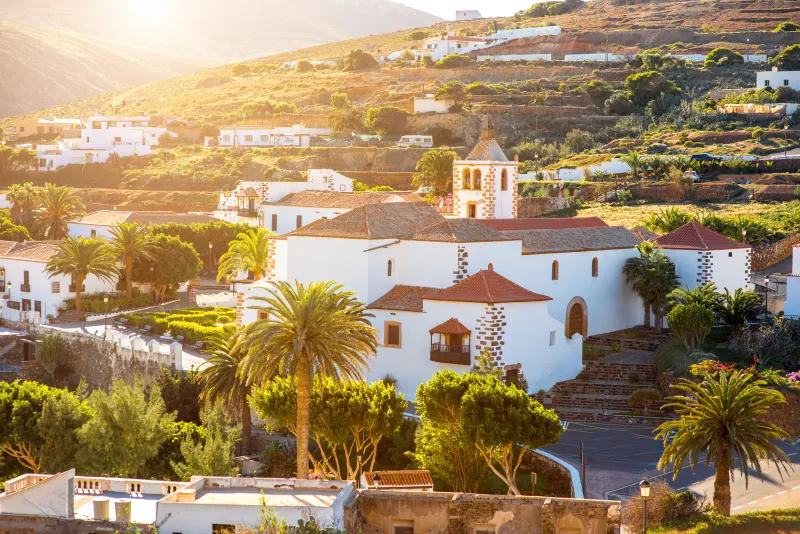
Betancuria
Fuerteventura
In 1404, the Norman Jean de Béthencourt chose a hidden valley between mountains to establish the first capital of the Canary Islands. The choice was not random: far from the coast and protected from pirate attacks, the valley offered water, fertile lands, and a natural defensive position. More than six centuries later, Betancuria retains that air of a secret refuge that made it a capital.
A Town Frozen in Time
Strolling through Betancuria is to immerse oneself in the history of the conquest of the Canary Islands. The Church of Santa María, originally built in the 15th century and rebuilt after the raid by the Berber pirate Xabán Arráez in 1593, presides over the main square with its white facade and volcanic stone tower. The Archaeological and Ethnographic Museum occupies an old manor house and houses remains of the indigenous majorero culture, including clay idols and rock engravings.
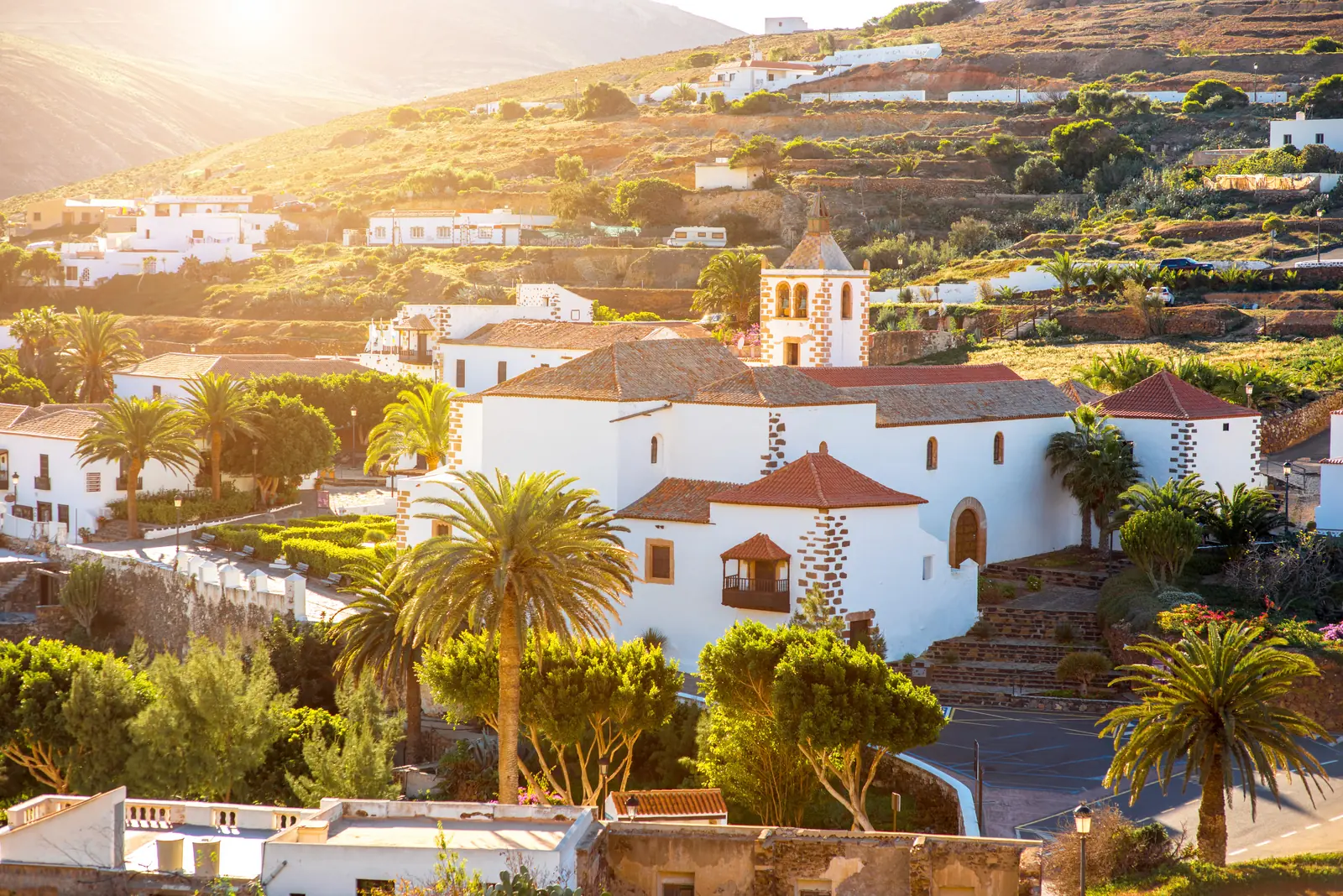
The cobblestone streets wind between stone houses with wooden balconies, bougainvillea, and inner courtyards. Only about 200 people live in the town, giving it a tranquility that contrasts with the coastal bustle. Local restaurants serve authentic majorero food: goat meat in sauce, grilled cheese with mojo, and watercress stew.
Visit Betancuria at midday to dine at one of its terrace restaurants (Casa Santa María is the most iconic). On the way, stop at the Morro Velosa Viewpoint and the Ajuy Caves, with their black rock cliffs by the sea.
Betancuria is the historical soul of Fuerteventura: a place where silence speaks of centuries of history, resilience, and island life.
LIVVO Tip: Combine it with the Morro Velosa viewpoint on the same route.
More to see in Fuerteventura

Corralejo Dunes
A dune landscape stretching alongside the ocean in the north of Fuerteventura. The Corralejo Natural Park protects this setting where white sand meets the sea, creating wide open beaches with views of Lobos Island.

Cofete Beach
At the southern tip, Cofete is a beach stretching over 12 km, framed by the Jandía mountains. Its remoteness and the unpaved access track are part of the experience.
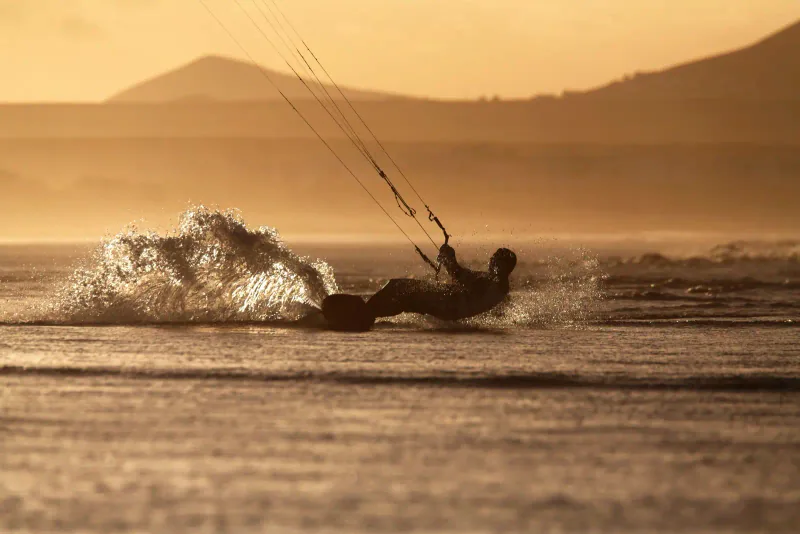
Windsurfing & Kitesurfing in Sotavento
On the Jandía Peninsula, Sotavento stands out for its tidal lagoons, which create wide areas of shallow water. Combined with the constant wind, this makes it one of Europe's top windsurfing and kitesurfing destinations.
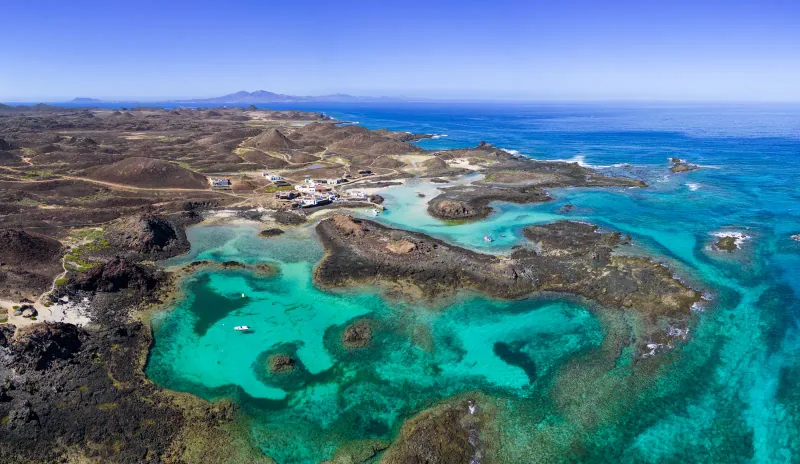
Isla de Lobos
Just minutes by boat from Corralejo, this protected islet offers volcanic trails, small coves and crystal-clear waters. It can be walked in a day, passing spots like La Concha beach and the Martiño lighthouse.