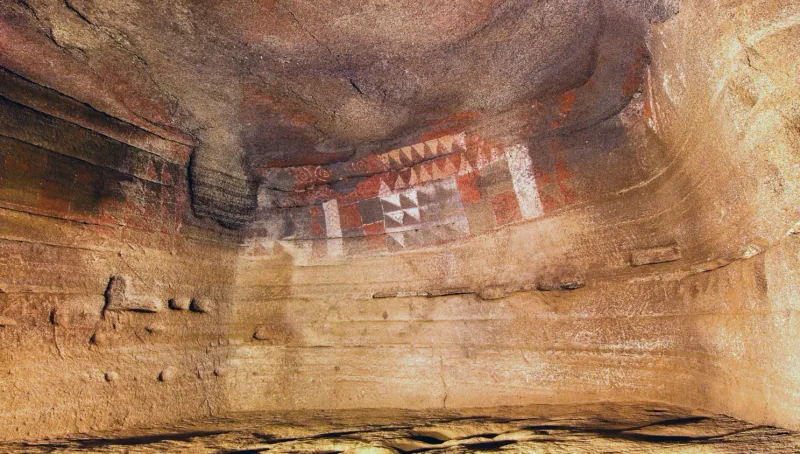
Cueva Pintada (Gáldar)
Gran Canaria
The Paintings That Survived Five Centuries
The Painted Cave of Gáldar is the most extraordinary artistic testimony of the ancient Canary Islanders: a chamber carved into volcanic tuff whose walls are decorated with geometric motifs — triangles, squares, concentric circles — painted in red, black, and white. Discovered in the 19th century, its meaning remains a subject of debate among researchers, although the most accepted hypothesis links it to an agricultural or astronomical calendar.

The museum, inaugurated in 2006 after two decades of excavations, is literally built over the ruins of the ancient settlement of Agáldar, capital of the aboriginal kingdom of the same name. The guided tour takes visitors through elevated walkways over the remains of more than sixty stone houses, storage silos, and communal spaces that reveal an organized and complex society.
A Journey to the Pre-Hispanic Canary World
What makes the Painted Cave special is not just the cave itself, but the context the museum offers. The rooms prior to the site present the culture of the ancient Canary Islanders with audiovisual resources that reconstruct their daily life: agriculture, livestock, pottery, funerary rituals, and the social organization of a people who lived isolated from the continent for more than fifteen hundred years.
Visits are guided and strictly limited in capacity to protect the paintings. It is essential to book in advance on the museum's website, especially during high season. The visit lasts approximately one hour and includes an audiovisual projection, museum, and tour of the site.
Gáldar, the city that hosts the museum, was the capital of the aboriginal kingdom and retains a historic center with churches, shaded squares, and an indigenous presence that is perceived in street names and local traditions. The visit to the Painted Cave is perfectly complemented by a stroll through the town and a stop at one of its guachinches, where homemade Canarian cuisine maintains flavors that come from afar.
The Painted Cave is proof that the ancient Canary Islanders not only inhabited this island: they thought it, painted it, and turned it into art.
LIVVO Tip: Book in advance during peak season.
More to see in Gran Canaria

Maspalomas Dunes
A dune system beside the ocean that creates one of Gran Canaria's most iconic landscapes. This protected natural area combines sand, sea and lagoon, forming a landmark image of the island's south.
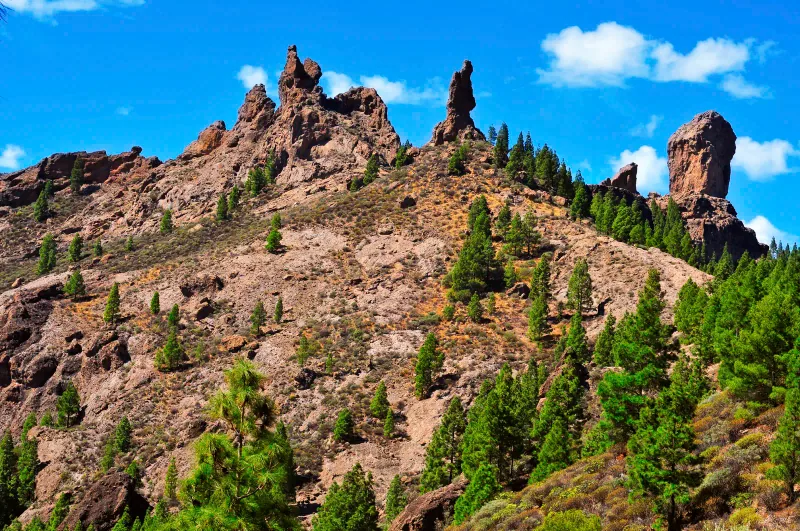
Roque Nublo
One of Gran Canaria's natural symbols, set in the mountainous interior. The trail up to this volcanic monolith offers sweeping views across the island and is one of the most popular hikes.
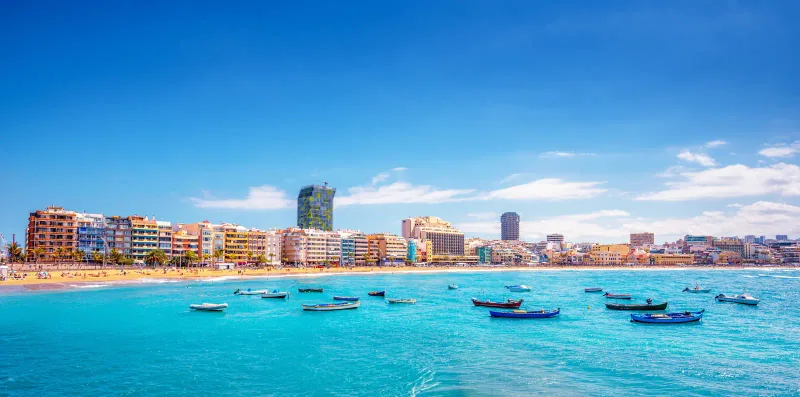
Las Canteras Beach
Urban beach stretching several kilometres, integrated into the city, with a natural reef protecting much of the shoreline. One of the island's most active spots — for swimming as much as for walking.
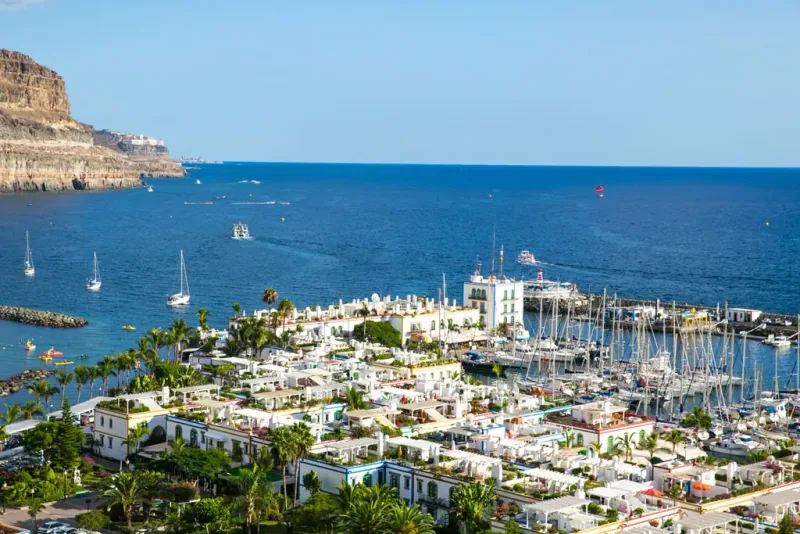
Puerto de Mogán
Coastal area known for its canals, marina and flower-lined streets. Its design and atmosphere make it one of the most carefully kept settlements in the south of Gran Canaria.